

Weight Gain in Perimenopause: Why It Happens and What Helps
By DR Saleem Khan
Consultant Gynaecologist
MBBS,DOWH,MRCOG, Dip Psy-sextherapy, FRCOG
Many women tell the same story:
“I’m eating the same way I always have, but suddenly I’m gaining weight.”
“Most of it seems to be around my stomach.”
“What worked in my 30s doesn’t seem to work anymore.”
If this sounds familiar, you’re not imagining it.
Weight gain is one of the most common and frustrating symptoms of perimenopause. The good news is that understanding what’s happening inside your body can help you make changes that actually work.
Why Does Weight Gain Happen During Perimenopause?
Weight gain during perimenopause is not simply about eating more or exercising less.
Several factors are involved:
Hormonal Changes
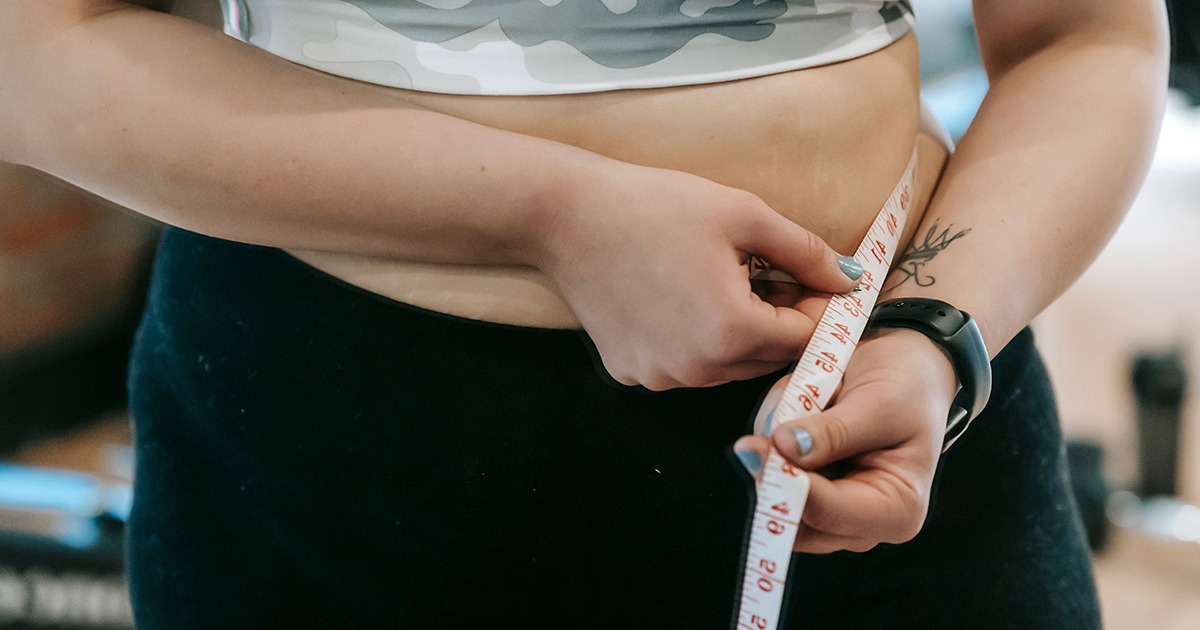
As oestrogen levels fluctuate and gradually decline, the body tends to store more fat around the abdomen rather than the hips and thighs.
This explains why many women notice an increase in belly fat during midlife.
Loss of Muscle Mass
From our 30s onwards, we naturally begin to lose muscle mass unless we actively work to maintain it.
Because muscle burns more calories than fat, this can slow metabolism over time.
Poor Sleep
Sleep problems are common during perimenopause.
Even mild sleep deprivation can increase hunger hormones, cravings, and appetite while reducing motivation to exercise.
Stress and Cortisol
Many women are juggling careers, families, ageing parents, and financial pressures.
Chronic stress increases cortisol levels, which is associated with increased abdominal fat storage and cravings for sugary or high-calorie foods.
Why Belly Fat Matters
Abdominal fat is not just a cosmetic concern.
Excess visceral fat around the organs is associated with:
- Insulin resistance
- Type 2 diabetes
- Heart disease
- High blood pressure
- Inflammation
This is why maintaining a healthy weight during midlife is important for long-term health as well as confidence and wellbeing.
What Daily Changes Can Help?
The good news is that small, consistent changes often have a greater impact than extreme diets.
Prioritise Protein
Protein helps:
- Preserve muscle mass
- Increase satiety
- Reduce cravings
- Support healthy metabolism
Include protein with every meal such as:
- Eggs
- Fish
- Chicken
- Greek yoghurt
- Tofu
- Lentils
- Beans
Reduce Ultra-Processed Foods
Foods high in sugar and refined carbohydrates can increase blood sugar spikes and cravings.
Aim to focus on:
- Vegetables
- Fruit
- Whole grains
- Lean proteins
- Healthy fats
Remember: the goal is not perfection but consistency.
Stay Hydrated
Dehydration can sometimes be mistaken for hunger and may contribute to fatigue and reduced physical performance.
Aim to drink water regularly throughout the day.
Manage Stress
Helpful strategies include:
- Mindfulness
- Yoga
- Deep breathing
- Walking in nature
- Meditation
- Spending time with supportive friends and family
Reducing stress supports both hormonal balance and weight management.
What Exercise Works Best During Perimenopause?
Many women spend hours doing cardio and become frustrated when the scales barely move.
Research increasingly shows that a balanced approach works best.
Strength Training
This is arguably the most important form of exercise during perimenopause.
Benefits include:
- Preserving muscle mass
- Increasing metabolism
- Supporting bone health
- Improving insulin sensitivity
Aim for 2–3 sessions per week.
Walking
Walking is one of the most underrated forms of exercise.
Daily walks can:
- Improve fat metabolism
- Reduce stress
- Improve mood
- Support cardiovascular health
Aim for 7,000–10,000 steps per day where possible.
Interval Training
Short bursts of higher-intensity exercise followed by recovery periods may help improve fitness and metabolic health.
Examples include:
- Brisk walking intervals
- Cycling intervals
- Swimming intervals
Pilates and Yoga
These exercises improve:
- Core strength
- Flexibility
- Balance
- Stress management
They also support overall wellbeing during the menopause transition.
Do Diets Work During Perimenopause?
Extreme dieting often backfires.
Very low-calorie diets can:
- Increase fatigue
- Reduce muscle mass
- Slow metabolism
- Increase cravings
A more sustainable approach focuses on:
- Protein-rich meals
- Plenty of vegetables
- Healthy fats
- Fibre-rich foods
- Regular movement
Think long-term lifestyle rather than short-term dieting.
Can Hormones Play a Role?
For some women, symptoms such as poor sleep, fatigue, mood changes, and reduced motivation make weight management more difficult.
Addressing menopausal symptoms appropriately may help support overall wellbeing and make healthy lifestyle habits easier to maintain.
However, Hormone Replacement Therapy (HRT) is not a weight-loss treatment and should not be prescribed solely for weight reduction.
The Bottom Line
Weight gain during perimenopause is common, but it is not inevitable.
Hormonal changes, reduced muscle mass, poor sleep, stress, and lifestyle factors all contribute to the changes many women experience during midlife.
The most effective approach is not extreme dieting or endless cardio.
Instead, focus on:
- ✔ Prioritising protein
- ✔ Strength training regularly
- ✔ Walking daily
- ✔ Improving sleep
- ✔ Managing stress
- ✔ Choosing whole, nutrient-dense foods
Small changes performed consistently often deliver the biggest results.
Your goal should not simply be weight loss—it should be building a stronger, healthier, and more resilient body for the decades ahead.
References
- The Menopause Society. Weight Gain and Menopause.
- National Health Service. Menopause and Healthy Weight Management.
- National Institute on Aging. Menopause and Midlife Weight Changes.
- Davis SR, Castelo-Branco C, Chedraui P, et al. Understanding Weight Gain at Menopause. Climacteric. 2012;15(5):419–429.
- Lovejoy JC. The Influence of Sex Hormones on Obesity Across the Female Lifespan. Journal of Women’s Health. 2019;28(2):171–173.
- Ko SH, Kim HS. Menopause-Associated Lipid Metabolic Disorders and Cardiovascular Disease Risk. Clinical Interventions in Aging. 2020;15:1735–1744.
- National Institute for Health and Care Excellence (NICE). Menopause: Diagnosis and Management. NG23.