

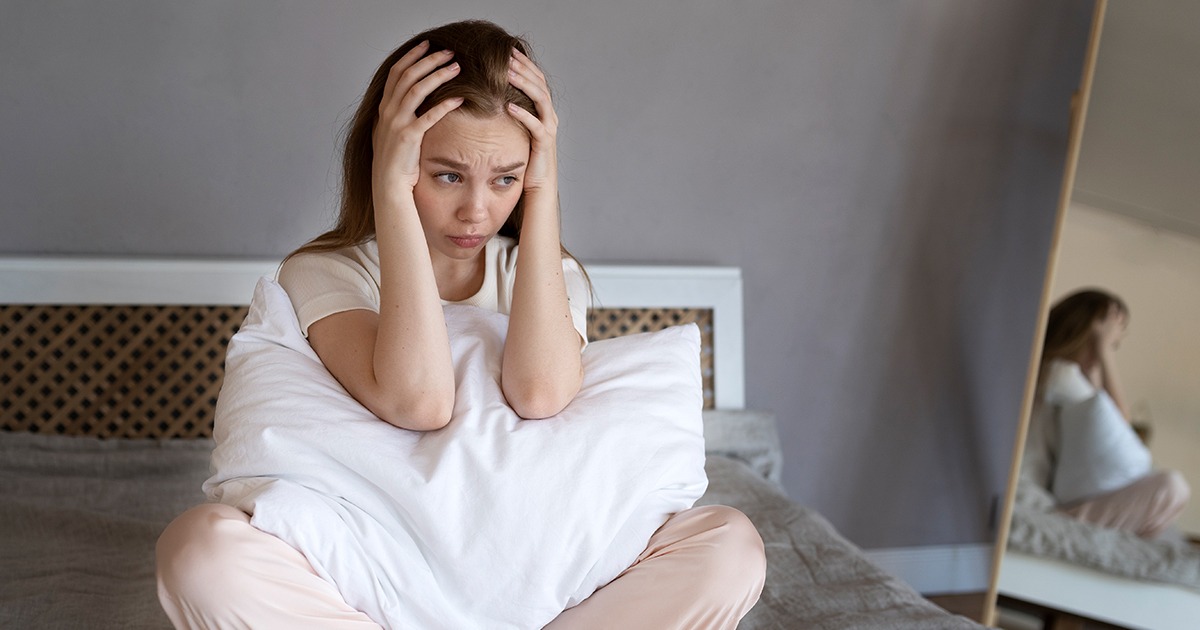
Anxiety and Low Mood During Perimenopause
By DR Saleem Khan
Consultant Gynaecologist
MBBS,DOWH,MRCOG, Dip Psy-sextherapy, FRCOG
Why It Happens and What Helps
Many women expect hot flushes and irregular periods during perimenopause.
What often comes as a surprise is the emotional impact.
You may suddenly find yourself feeling:
- More anxious than usual
- Easily overwhelmed
- Irritable or tearful
- Less confident
- Emotionally sensitive
- Unmotivated or low in mood
For some women, these feelings appear despite never having struggled with anxiety before.
If this sounds familiar, you are not alone.
Anxiety and low mood are among the most common symptoms of perimenopause, yet many women fail to connect them to hormonal changes.
The reassuring news is that these symptoms are real, common, and often improve with the right support.
Why Does Perimenopause Affect Mood?
Hormones do much more than regulate the menstrual cycle.
Oestrogen directly influences brain chemicals such as:
- Serotonin (mood and wellbeing)
- Dopamine (motivation and reward)
- GABA (calmness and relaxation)
As hormone levels fluctuate during perimenopause, these neurotransmitters can become less stable, affecting emotional wellbeing.
At the same time, many women are navigating one of life’s busiest phases:
- Careers
- Family responsibilities
- Teenagers
- Ageing parents
- Financial pressures
The combination of hormonal changes and life stressors can create the perfect storm for anxiety and low mood.
Common Emotional Symptoms of Perimenopause
You may notice:
- Increased worry
- Racing thoughts
- Panic attacks
- Feeling overwhelmed
- Irritability
- Loss of confidence
- Reduced resilience to stress
- Low mood
- Emotional sensitivity
- Loss of enjoyment in activities
Many women describe feeling like “a different version of themselves.”
The Hidden Role of Sleep
Sleep and mood are closely connected.
Poor sleep can increase:
- Anxiety
- Irritability
- Stress sensitivity
- Negative thinking
Many women find that improving sleep quality significantly improves emotional wellbeing.
If you are regularly waking at 3 am, experiencing night sweats, or struggling to fall asleep, addressing sleep should be a priority.
What Can Help?
The most effective approach is usually a combination of lifestyle, stress management, brain training, and professional support when needed.
1. Move Your Body Daily
Exercise is one of the most effective natural treatments for mild anxiety and low mood.
Physical activity helps:
- Reduce stress hormones
- Increase serotonin
- Improve sleep
- Boost confidence
Aim for:
- Daily walking
- Strength training 2–3 times weekly
- Yoga
- Pilates
- Swimming
- Cycling
Even a 20-minute brisk walk can improve mood.
2. Train Your Brain Away From Worry
The anxious brain becomes highly skilled at spotting problems.
Brain training helps redirect attention towards balance and resilience.
The Three Good Things Exercise
Each evening write down:
- Three positive things that happened today
- Why they happened
Research from positive psychology suggests this simple practice can improve mood and reduce anxiety over time.
Attention Training
Anxiety narrows focus towards worries.
Spend five minutes noticing:
- Five things you can see
- Four things you can feel
- Three things you can hear
- Two things you can smell
- One thing you can taste
This grounding technique helps bring the brain back to the present moment.
Neurobics for Emotional Resilience
Just as neurobics can improve cognitive flexibility, they can also help break repetitive worry patterns.
Try:
- Taking a different walking route
- Learning a new hobby
- Using your non-dominant hand for simple tasks
- Listening to unfamiliar music
- Trying a new recipe
Novel experiences stimulate neuroplasticity and encourage the brain to form new pathways rather than repeating anxious thought patterns.
3. Practise Relaxation Daily
Relaxation is not a luxury during perimenopause—it’s a health strategy.
Box Breathing
Breathe in for four counts.
Hold for four.
Breathe out for four.
Hold for four.
Repeat for 2–5 minutes.
This simple technique helps calm the nervous system and reduce feelings of anxiety.
Progressive Muscle Relaxation
Starting at your feet:
- Gently tense a muscle group for five seconds
- Relax for ten seconds
- Move gradually up the body
This technique helps release physical tension that often accompanies anxiety.
Mindfulness Meditation
Even five to ten minutes daily can:
- Reduce stress
- Improve emotional regulation
- Increase resilience
- Enhance sleep quality
The goal is not to stop thoughts but to observe them without becoming trapped by them.
4. Nourish Your Brain
Nutrition affects mood more than many people realise.
Focus on:
Protein-Rich Foods
- Eggs
- Fish
- Poultry
- Beans
- Lentils
These provide the building blocks for neurotransmitters.
Omega-3 Fatty Acids
- Salmon
- Sardines
- Mackerel
- Walnuts
- Flaxseeds
Research suggests omega-3 fats may support mood and brain health.
Limit Excess Sugar and Alcohol
Both can worsen mood fluctuations and disrupt sleep.
Can HRT Help Anxiety?
For some women, anxiety is strongly linked to hormonal fluctuations.
When this is the case, treating menopausal symptoms appropriately may improve emotional wellbeing.
Hormone Replacement Therapy (HRT) can be helpful for some women but should always be discussed with a healthcare professional as part of an individualised treatment plan.
When Should You Seek Professional Help?
Please seek medical advice if:
- Anxiety is affecting daily life
- You are experiencing panic attacks
- Low mood persists for several weeks
- You lose interest in activities you normally enjoy
- Symptoms are affecting relationships or work
- You have thoughts of self-harm
Support is available, and you do not have to manage these symptoms alone.
The Bottom Line
Anxiety and low mood during perimenopause are common, but they are not something women should simply “put up with.”
Hormonal fluctuations, poor sleep, stress, and life pressures all contribute to emotional symptoms during this transition.
The encouraging news is that the brain remains adaptable throughout life.
Regular exercise, good sleep, healthy nutrition, brain training techniques, neurobics, mindfulness, and relaxation exercises can all help improve emotional wellbeing and build resilience.
Perimenopause may change how you feel, but with the right support, it does not have to define how you live.
References
- The Menopause Society. Mood Changes and Menopause.
- National Health Service. Menopause Symptoms and Mental Wellbeing.
- National Institute on Aging. Menopause and Emotional Health.
- Maki PM, Kornstein SG, Joffe H, et al. Guidelines for the Evaluation and Treatment of Perimenopausal Depression. Menopause. 2018;25(10):1069–1085.
- Gordon JL, Girdler SS. Hormone Fluctuations and Mood in Perimenopause. Current Psychiatry Reports. 2014;16(12):517.
- Kabat-Zinn J. Mindfulness-Based Interventions in Health Care Applications. Clinical Psychology: Science and Practice. 2003.
- Katz LC, Rubin M. Keep Your Brain Alive: 83 Neurobic Exercises to Help Prevent Memory Loss and Increase Mental Fitness. Workman Publishing.
- National Institute for Health and Care Excellence (NICE). Menopause: Diagnosis and Management. NG23.